
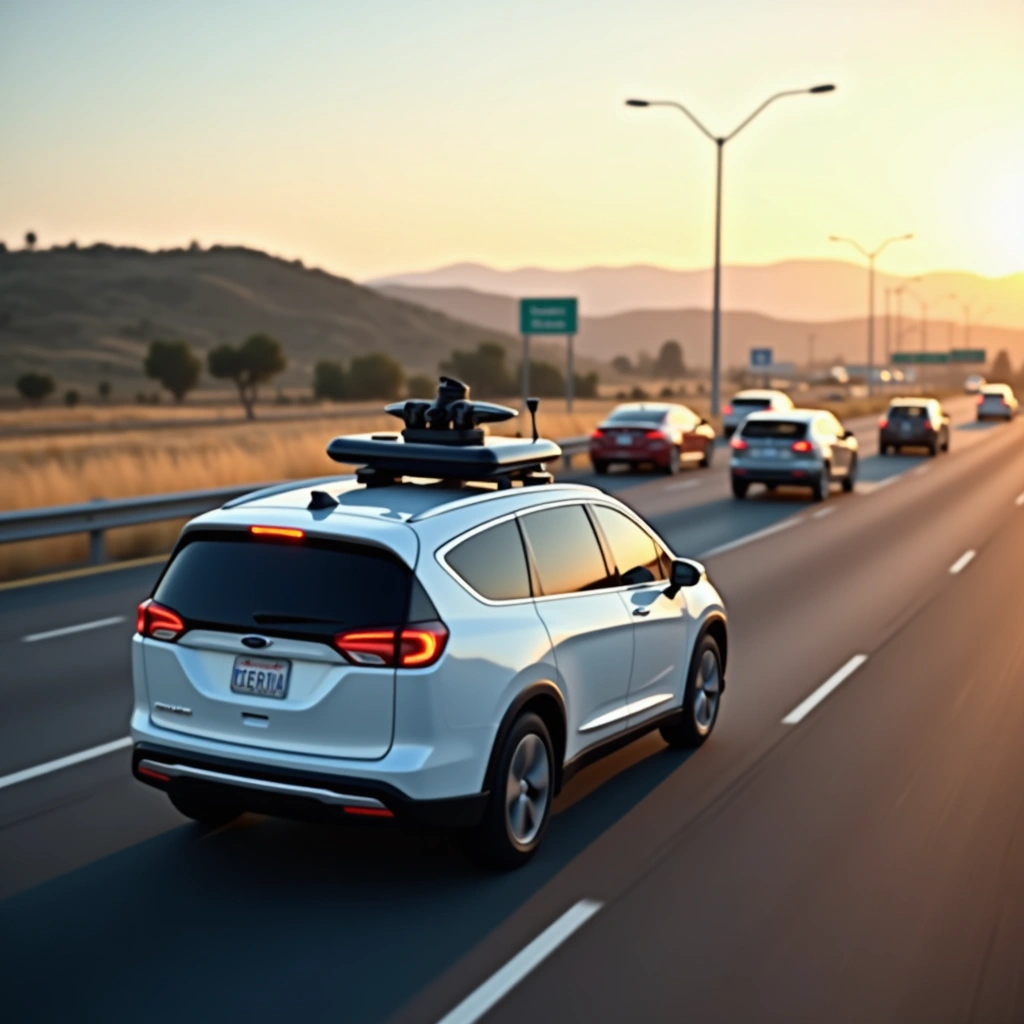
Waymo safety concerns have reached a critical point as the autonomous vehicle company suspends all freeway rides. This decision marks a most important moment in the self-driving industry, especially when Waymo has positioned itself as a leader in autonomous technology. The suspension raises questions about the readiness of self-driving vehicles for high-speed highway environments. Many are now asking: is waymo safe for everyday transportation? We’ll get into the specific incident that triggered this halt and analyze Waymo’s overall safety track record. We’ll also explore what this means for the future of autonomous freeway operations. Anyone following the progress of self-driving technology needs to understand these developments.
The Incident That Led to Waymo’s Freeway Halt
Waymo paused freeway operations while updating software to address performance issues around construction zones and flooded roadways. The company identified specific opportunities to improve how autonomous vehicles traverse certain freeway construction zone configurations.
Waymo recalled approximately 3,800 autonomous taxis in early May after discovering a software defect that caused vehicles to drive into flooded roadways. Federal regulators documented that a Waymo robotaxi may slow down but fail to stop after detecting the hazard when it approaches standing water on higher-speed roads. The National Highway Traffic Safety Administration estimated the defect rate at 100%.
An April 20 incident preceded the recall. An unoccupied Waymo vehicle detected a potentially untraversable flooded section on a roadway with a 40 mph speed limit and proceeded at reduced speed. NHTSA noted that entering an untraversable flooded roadway can result in loss of vehicle control.
Waymo applied an interim remedy to all affected vehicles on April 20. The company modified the approved scope of operation to exclude conditions that present elevated risk of encountering flooded, higher-speed roadways. The company paused operations in Atlanta after flash-flooding incidents and worked to improve performance in several Southern states like Texas and Tennessee.
Surface street operations remain active and unaffected by the pause.
Is Waymo Safe? Examining the Autonomous Vehicle’s Track Record
Research published by Waymo demonstrates substantial safety improvements compared to human drivers in metrics of all types. Peer-reviewed findings set for publication in the Traffic Injury Prevention Journal show that Waymo’s self-driving cars experienced 82% fewer crashes with bikers and motorcyclists and 92% fewer crashes with pedestrians. The study examined more than 56 million miles traveled by Waymo’s vehicles. It covered six years of data from Phoenix operations that began in 2019 and ran through January 2025.
Analysis of over 7.1 million rider-only miles revealed an 85% reduction in crash rates with any injury, from minor to severe cases. Waymo recorded 0.41 incidents per million miles versus 2.78 for human drivers. Police-reported crash rates showed a 57% reduction at 2.1 incidents per million miles compared to 4.85 for humans.
Waymo logged 170.7 million rider-only miles through December 2025. This resulted in 92% fewer serious injury crashes and 83% fewer airbag deployments compared to human drivers over the same distance.
The NHTSA has recorded 1,790 accidents with Waymo vehicles since July 2021, with 117 reported injuries and two fatalities, though these statistics appear favorable. Transportation experts caution that definitive safety conclusions remain premature. Driverless vehicles have not traveled nowhere near the three trillion miles humans log on U.S. roadways each year.
What’s Next for Waymo’s Freeway Operations?
Waymo confirmed it expects to resume freeway routes soon following software updates that merge recent technical learnings. The company emphasized that vehicles guide through construction zones more than 10,000 times each day and described the pause as a chance to further improve freeway performance.
The suspension affects freeway driving in San Francisco, Los Angeles, Phoenix, and Miami, where highway routing was introduced six months prior to the halt. Riders encountered communication challenges during the service interruption. App notices stating “Our service is currently paused” left users on Reddit’s r/waymo forum guessing what had happened, given that Waymo’s site and app lack any equivalent to a web service’s status page.
“Waymo needs to do a better job communicating, as a lot of people have come to rely on the service,” noted one industry observer, adding that incidents like this could hurt trust if riders suddenly lose freeway access.
Beyond immediate Waymo safety concerns, the company faces supply constraints that may affect expansion. Fleet numbers total approximately 2,500 vehicles: 1,000 in the Bay Area, 700 in LA, 500 in Phoenix, 200 in Austin, and 100 in Atlanta. Waymo has begun deploying its 6th-generation Driver system, designed for long-term growth across multiple vehicle platforms with capabilities for extreme winter weather.
Conclusion
Waymo’s freeway suspension illustrates the delicate balance between autonomous vehicle breakthroughs and public safety. Without doubt, the company’s impressive safety statistics demonstrate long-term potential. Recent incidents reveal that self-driving technology still requires refinement. Transparent communication becomes as important as technical advancement. The path forward depends on Waymo knowing how to address these challenges and maintain the trust of riders who rely on autonomous transportation for their daily needs.