

Integrating Artificial Intelligence (AI) technology has revolutionized various industries, including the entertainment sector. As AI becomes more prevalent, it presents opportunities and challenges for the industry. The recent announcement of a new position at Netflix, offering a salary of up to $900,000 per year, has sparked outrage among Hollywood unions. This blog post will delve into the concerns surrounding AI’s influence on the entertainment industry and the need for expanded legal frameworks to address these issues.
AI and the Netflix Algorithm:

Netflix’s machine learning platform team plays a crucial role in driving the Netflix algorithm, which assists viewers in selecting new programs to watch. This algorithm utilizes AI technology to analyze user preferences, viewing patterns, and other data points to provide personalized recommendations. This approach has significantly improved the user experience, enabling subscribers to discover content that aligns with their interests.
The Outrage and Concerns:
The outrage surrounding the high salary offered for the new position at Netflix reflects deeper concerns within the entertainment industry. Hollywood unions are worried about the potential impact of AI on job security and fair compensation. As AI technology advances, there is a fear that automation may replace certain roles traditionally performed by humans, leading to job losses and a decrease in earning opportunities.

Expanding Human Laws to Include AI:

To address these concerns, it is crucial for existing legal frameworks to expand to cover AI-related issues. As AI systems become more sophisticated and autonomous, it becomes imperative to establish regulations that ensure fair treatment and protection for workers in the entertainment industry. These regulations should encompass areas such as job displacement, income inequality, and transparency in AI decision-making.
One potential approach is to establish guidelines that require companies to invest in retraining and reskilling programs for employees affected by automation. By doing so, those whose roles are gradually becoming obsolete can be equipped with the necessary skills to transition into new roles that complement AI technology.
Furthermore, it is essential to address the issue of income inequality that arises with the integration of AI. Companies should adopt practices that ensure fair compensation, regardless of whether AI or human labor is involved. This may include implementing profit-sharing models or establishing minimum wage standards that apply to both human and AI-driven positions.

The integration of AI into the entertainment industry presents immense potential for growth and innovation. However, it is crucial to address the concerns surrounding AI’s impact on job security and fair compensation. Expanding human laws to include AI-related issues will play a pivotal role in establishing guidelines that protect and support workers in the industry. By striking a balance between technological advancements and human welfare, we can ensure a sustainable and equitable future for the entertainment industry.
Ethical Considerations for Digital Duplication and Rights Management:

The concept of digital duplication, particularly in relation to individuals, raises important ethical considerations and the need for establishing boundaries to protect individual rights and interests. This response will outline potential choices for individuals regarding digital duplication, propose a framework for setting boundaries, and explore the possibility of establishing a system for licensing or royalties.
Choices for Digital Duplication:
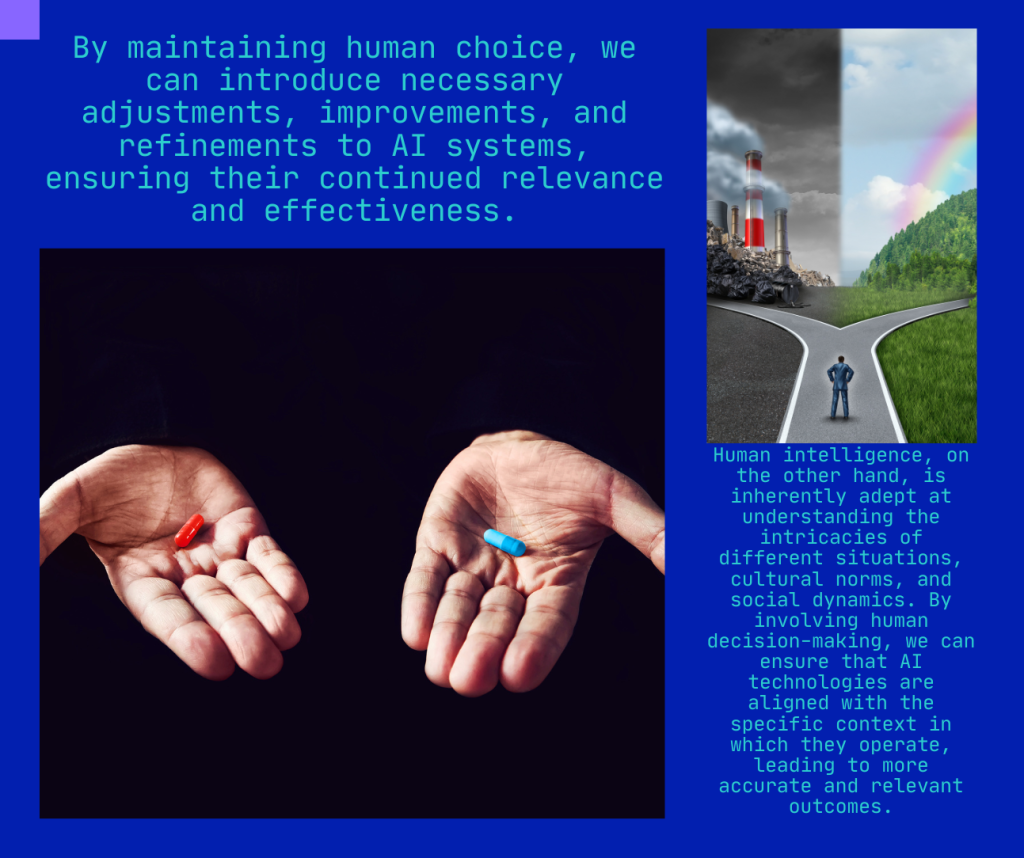
When it comes to the digital duplication of individuals, it is crucial to prioritize individual autonomy and consent. Therefore, a system should be established that allows individuals the choice to either opt-in or opt-out of being digitally duplicated. This ensures that each person has the right to decide how their digital image is used and whether they want to be part of such a process.
Setting Boundaries:
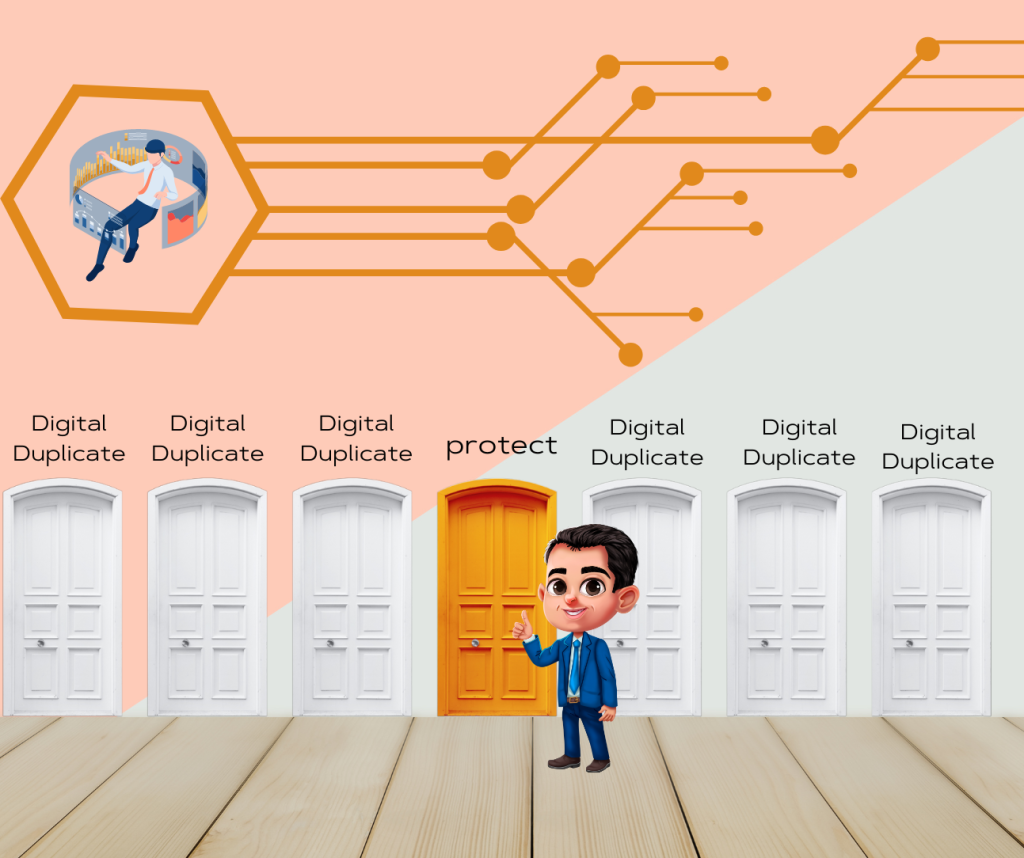
To maintain ethical standards and protect individual rights, clear boundaries must be established regarding what a digital duplicate can and cannot say or do. These boundaries should be designed to prevent any harm, misrepresentation, or infringement on the original individual’s identity or reputation. It is essential to consider the potential impact of the digital duplicate’s actions on various stakeholders, including the original individual, their family, and society as a whole.
Licensing or Royalties System:
To address the potential commercial implications of digital duplication, a licensing or royalties system could be implemented. This system would require individuals or entities seeking to duplicate someone digitally to obtain permission and pay a fee or royalty to the original individual or their living family members. This approach would ensure that individuals retain control over their digital likeness and have the opportunity to benefit from any commercial use of their duplicate.

Protecting Individual Rights:
The rights we have as individuals from the day we are born should extend to the digital realm. Just as we have rights over our physical bodies and identities, we should have the ability to assert those rights in the digital space. Implementing a framework that respects and protects individual rights in the context of digital duplication is of utmost importance.
Digital duplication of individuals presents both opportunities and challenges. By providing individuals with choices regarding their digital duplicate, establishing boundaries to protect their rights, and exploring the potential for a licensing or royalties system, we can navigate this evolving landscape ethically. It is essential to strike a balance between technological advancements and the preservation of individual autonomy and rights.
The Role of AI in Assessing Funding Needs: Addressing Concerns and Ensuring Fairness
The open listing for a Product Manager on the Machine Learning Platform team highlights the importance of collecting user feedback and understanding their needs. Additionally, it mentions that the future employee will play a role in investment decisions. While the description suggests that AI could be used to assess funding needs for different programs, concerns have been raised by organizations such as SAG-AFTRA regarding the potential power of algorithms. This post aims to explore the concerns raised and discuss the importance of ensuring fairness in algorithmic decision-making.
Understanding SAG-AFTRA’s Concerns:
SAG-AFTRA, a union representing actors, has expressed concerns about the increasing influence of algorithms in the entertainment industry. Fran Drescher, a representative of SAG-AFTRA, has stated that algorithms now play a significant role in determining the success of a film or television program. She suggests that algorithms dictate the number of episodes per season and the duration of a series, potentially reducing the overall number of episodes and seasons.
The Impact on Content Creation:
According to Drescher, this algorithm-driven approach may limit the creative freedom of content creators and affect the livelihoods of those involved in the industry. She believes that reduced episode counts and shorter series durations may not provide sufficient opportunities for actors, writers, and other professionals to sustain themselves.
Ensuring Fairness in Algorithmic Decision-Making:
While it’s important to acknowledge these concerns, it is equally crucial to highlight the potential benefits that AI and machine learning can bring to industries such as entertainment. However, to address concerns about the concentration of power and potential negative impacts, it is essential to ensure fairness in algorithmic decision-making.
Transparency and Accountability:
One way to promote fairness is by making algorithms transparent and accountable. This means providing clear explanations of how decisions are made, disclosing the factors considered, and ensuring that there are mechanisms in place for appeals or adjustments when biases or unintended consequences are identified.
Diverse Data and Inclusive Decision-Making:
To avoid perpetuating biases, it is crucial to train algorithms on diverse and representative datasets. By incorporating a wide range of perspectives and experiences, the decision-making process can be more inclusive and avoid reinforcing existing inequalities.
Ongoing Monitoring and Evaluation:
Regular monitoring and evaluation of algorithmic systems are essential to identify and address any unintended consequences or biases that may arise over time. This process should involve ongoing collaboration with stakeholders, including industry professionals and representative organizations like SAG-AFTRA, to ensure that the algorithms are fair and align with the values of the community they serve.
While the use of AI to assess funding needs for different programs may bring efficiencies and benefits, it is important to address concerns raised by organizations like SAG-AFTRA. By promoting transparency, accountability, diversity in data, and ongoing evaluation, we can strive to ensure fairness in algorithmic decision-making. This approach will help strike a balance between leveraging AI’s potential and safeguarding the interests of all stakeholders involved in the entertainment industry.
The Role of AI in the Writing Process: Ensuring a Balance between Creativity and Efficiency
The emergence of artificial intelligence (AI) in various industries, including the creative field, has sparked discussions about its impact on traditional processes. The Writers’ Guild (WGA) has recently proposed a system to regulate the use of AI in writing, aiming to address concerns regarding its role as a source material. In response to this, Netflix has previously stated that AI will not replace the creative process, emphasizing the value of originality and personal experiences in storytelling. This blog post explores the delicate balance between embracing AI’s efficiency and preserving the creativity and authenticity of human-driven narratives.
Understanding the Concerns:
The concerns expressed by the WGA and various writers highlight the potential threats posed by an over-reliance on AI in the writing process. They argue that the current business model has created challenges for individuals throughout the industry, causing them to feel marginalized and squeezed out of their livelihoods. The fear is that AI may further exacerbate these challenges by replacing human creativity and unique perspectives.
The WGA Proposal:
The WGA’s proposal aims to regulate the use of AI by establishing guidelines that prevent it from being utilized as source material for writing. By doing so, they intend to preserve the role of human writers as the primary creators of original content. This proposal seeks to strike a balance between leveraging AI’s capabilities and ensuring that it does not undermine the creative process.
Netflix’s Perspective:
Netflix, one of the leading content platforms, has refrained from commenting directly on job listings related to AI in writing. However, they have previously stated their belief that AI will not replace the creative process. Netflix recognizes that the best stories often originate from individuals’ experiences and insights. They appreciate the unique perspectives that human writers bring to storytelling and acknowledge the importance of preserving this aspect.
Striking a Balance:
The debate surrounding AI’s role in the writing process ultimately revolves around finding a balance between efficiency and creativity. While AI can offer significant advantages in terms of generating ideas, analyzing data, and streamlining certain tasks, it is crucial to acknowledge that the human touch remains irreplaceable. Authenticity, emotion, and the ability to connect with audiences on a personal level are elements that human writers excel at and contribute to the richness of storytelling.
The integration of AI into the writing process presents both opportunities and challenges. While concerns exist about the potential displacement of human writers, it is crucial to recognize that AI can be a valuable tool to enhance efficiency and augment human creativity. Striking a balance between leveraging AI’s capabilities and preserving the authenticity and originality of human-driven narratives is essential. By embracing this balance, the industry can harness the benefits of AI while ensuring that human creativity continues to thrive.
there has been condemnation from some striking actors regarding the most recent AI-based job listing. These actors argue that while the AI army may cost around $900k per soldier annually, that amount of earnings could instead be used to provide health insurance benefits for thirty-five actors and their families, according to actor Rob Delaney’s statement to The Intercept.
Furthermore, Javier Grillo-Marxuach, known for his work on the series Lost, accused Netflix of “pleading poverty while recruiting very well-paid generals for your soulless army of silicon plagiarists.” This criticism came as Netflix announced the launch of a new app called “My Netflix,” which is designed to be a personalized platform with easy shortcuts to help users choose what they want to watch.
It is important to note that these statements and opinions reflect the perspective of the actors involved and may not necessarily represent the views of all individuals or organizations involved in the matter.